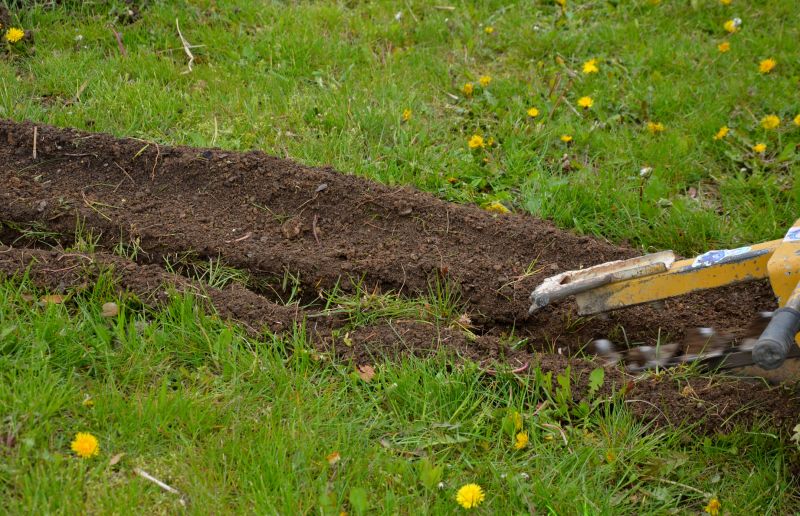
Ditch Digging in Salt Lake City, UT
Ditch digging services involve excavating trenches or holes in the ground to support various property projects. Common uses include installing or repairing underground utilities such as water, sewer, or electrical lines, as well as preparing sites for fencing, drainage systems, or sprinkler setups. Homeowners often request this service when undertaking landscaping projects, adding new infrastructure, or replacing existing underground systems to ensure proper installation and access.
Before requesting ditch digging services, property owners should consider the scope and location of the project, including the depth and width of the trenches needed. It’s also helpful to identify existing underground utilities to prevent damage during excavation. Clarifying the project timeline, access points, and any site-specific restrictions can help streamline the process and ensure the work meets the property’s needs effectively.
Many property owners in Salt Lake City, UT look into Ditch Digging for repairs, replacements, upgrades, and appearance-related improvements.
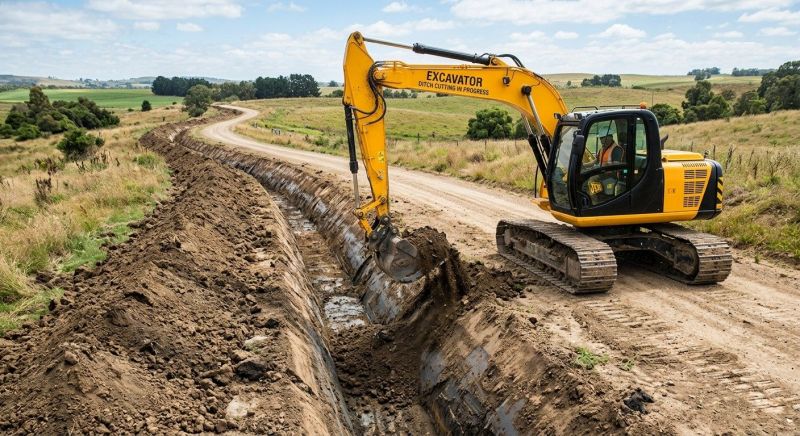
Residential Ditch Digging
Ditch digging is often needed for installing irrigation systems, drainage solutions, or utility lines on residential properties.
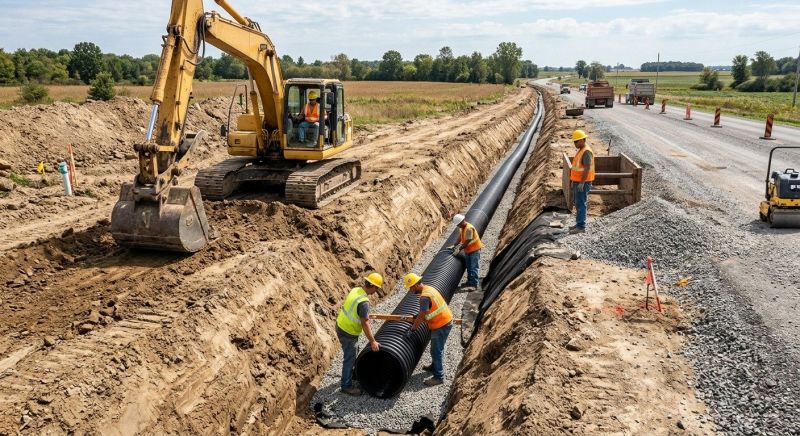
Commercial And Property Development
Creating trenches for foundation work, underground wiring, or landscaping projects is a common reason for ditch excavation in commercial sites.
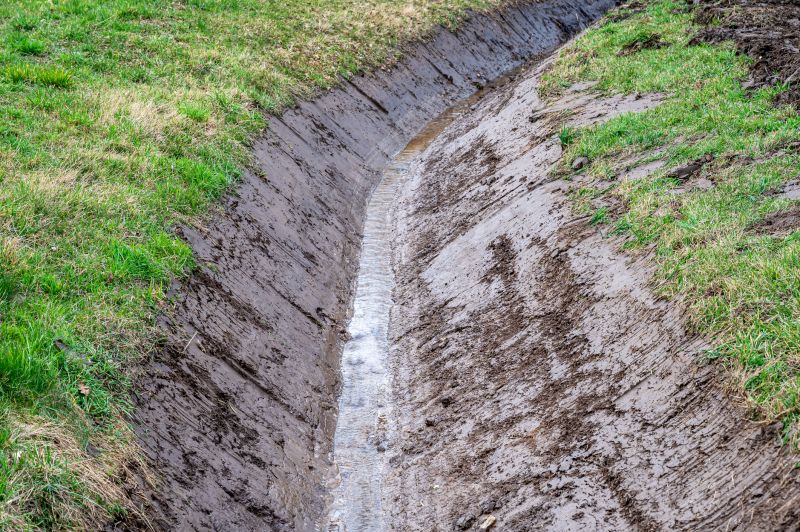
Site Preparation And Drainage
Proper ditching helps manage water runoff and prepare land for construction or landscaping in salt lake city and nearby areas.
Ditch Digging in Salt Lake City, UT
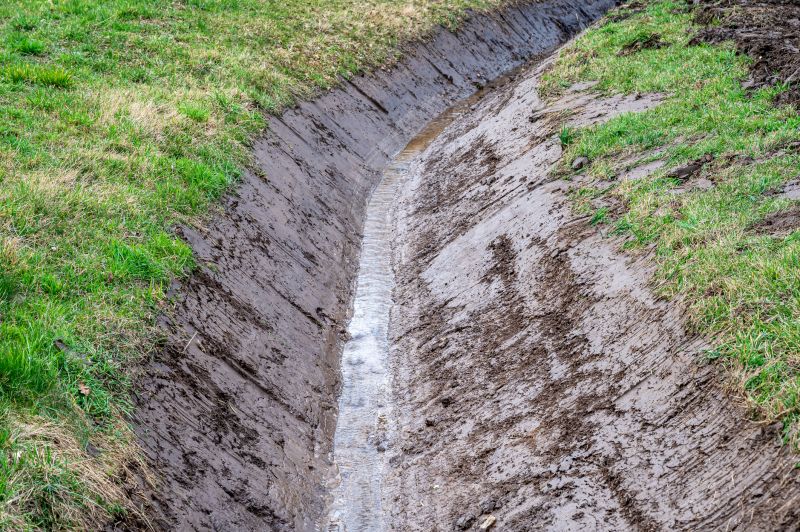
Ditch digging services involve excavating trenches or holes in the ground to support various property projects. Common uses include installing or repairing underground utilities such as water, sewer, or electrical lines, as well as preparing sites for fencing, drainage systems, or sprinkler setups. Homeowners often request this service when undertaking landscaping projects, adding new infrastructure, or replacing existing underground systems to ensure proper installation and access.
Before requesting ditch digging services, property owners should consider the scope and location of the project, including the depth and width of the trenches needed. It’s also helpful to identify existing underground utilities to prevent damage during excavation. Clarifying the project timeline, access points, and any site-specific restrictions can help streamline the process and ensure the work meets the property’s needs effectively.
Many property owners in Salt Lake City, UT look into Ditch Digging for repairs, replacements, upgrades, and appearance-related improvements.
Common Ditch Digging Jobs
Drainage Installation - Installing new drainage systems to prevent water pooling on property.
Utility Line Digging - Excavating trenches for sewer, water, or electrical lines.
Foundation Drainage - Creating drainage solutions around building foundations to reduce moisture issues.
Landscape Drainage - Installing underground pipes to direct excess water away from lawns and gardens.
Repair and Replacement - Fixing or replacing existing ditches and underground pipes as needed.
Yard Drainage Solutions - Designing and installing systems to improve yard water flow and reduce erosion.
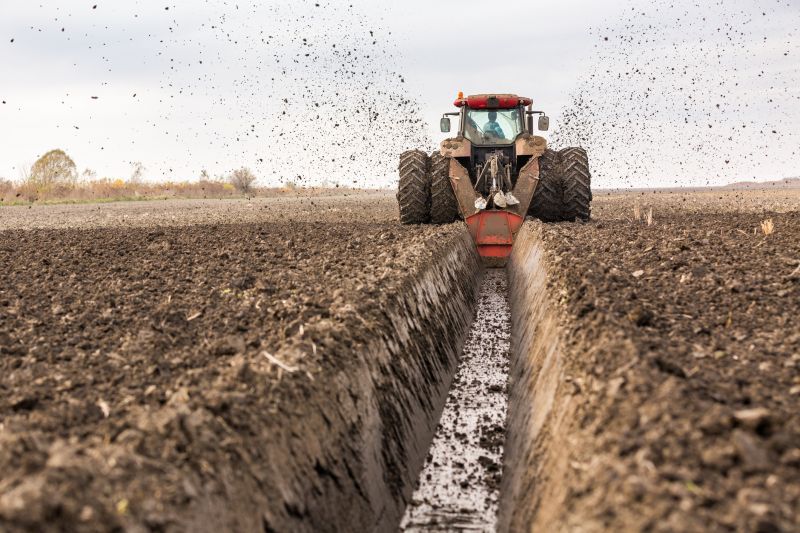
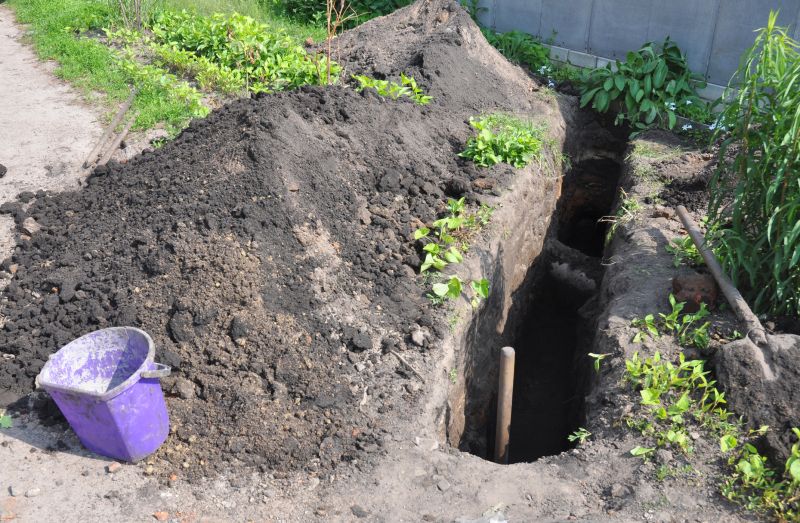
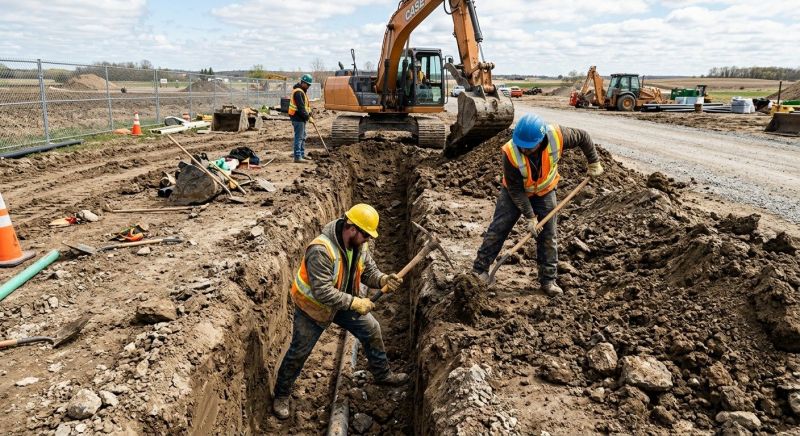
Ditch Digging Questions
What types of projects require ditch digging? Ditch digging is commonly needed for drainage systems, irrigation lines, utility installations, and landscaping improvements.
How deep can a typical ditch be? Ditches usually range from a few inches to several feet deep, depending on the purpose and property requirements.
Is it necessary to obtain permits for ditch digging? Permit requirements vary by location and project scope; checking local regulations is recommended before starting work.
What should property owners consider before digging a ditch? It's important to identify underground utilities, understand soil conditions, and plan for proper drainage to prevent issues.
Request Ditch Digging in Salt Lake City, UT
Use the quote form on this page to share the basics of your project and request more information for the type of work you need.